What is a sale with guaranteed rent and how does it work
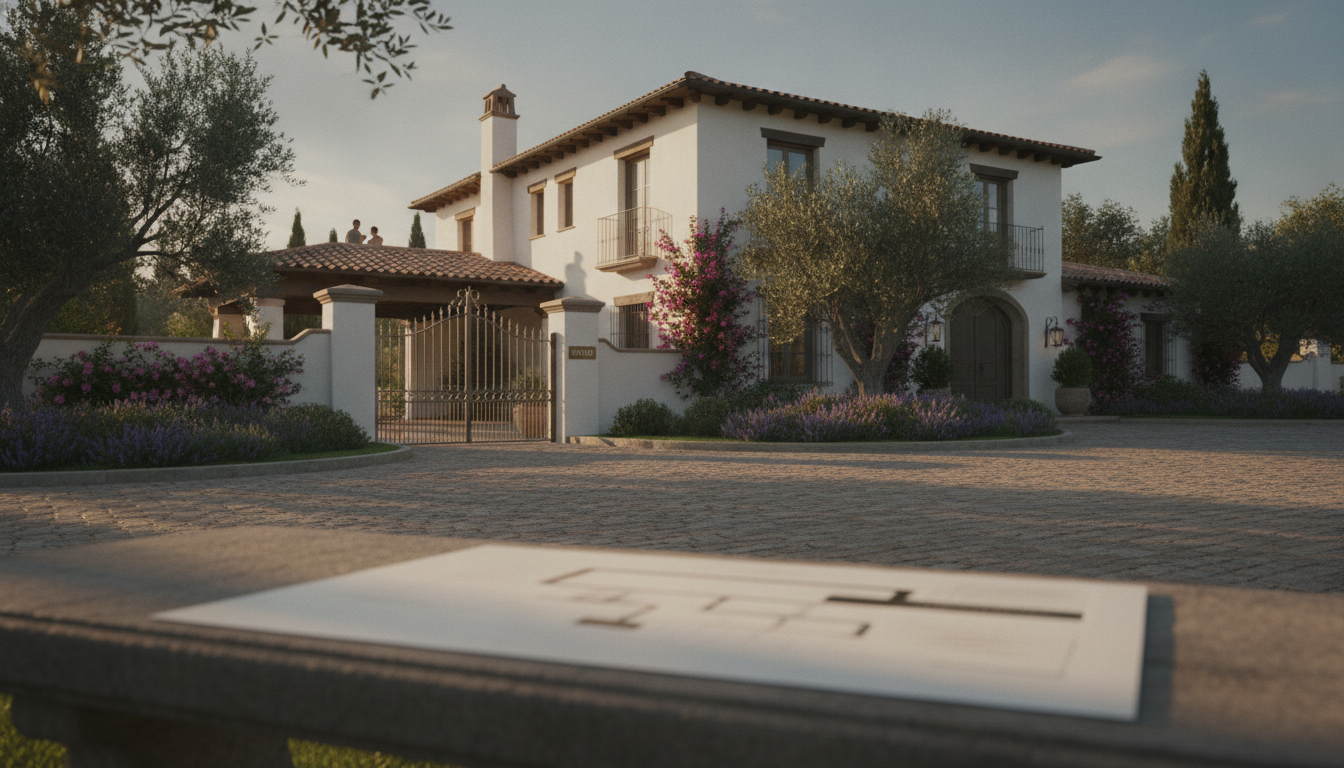
A sale with guaranteed rent combines a property sale and a leaseback tenancy: you sell your home, receive the capital release, and sign a long-term tenancy agreement to continue living in it. Known internationally as sale and leaseback, in Spanish practice what truly matters is what is stipulated in the title deed and tenancy agreement.
This is not bare ownership. Here you transfer full ownership and become a tenant of the new owner, under the conditions you have negotiated.
The dual transaction: selling and remaining in place
There are two simultaneous moves in the same closing:
- Selling the property: you receive a single lump sum for the sale. The buyer (usually an investor) acquires ownership.
- Remaining in your home: you sign a guaranteed long-term tenancy agreement as agreed. You stay in the same home for the agreed period.
The "guarantee" is not a slogan: it is the new owner's contractual commitment to rent the property to you on written terms. If the contract is vague, the guarantee is vague. That is why the sale and the tenancy agreement must be designed together, not in two disconnected stages.
Who this usually suits
This option is primarily designed for people over 65 who wish to release equity without moving home. It may also suit anyone who prefers to sell full ownership (rather than just bare ownership) but needs time and stability in the same neighbourhood.
Every case depends on the property, age, income, and whether the resulting rent is sustainable within your finances after the sale. If the initial lump sum looks attractive but the monthly rent cannot be comfortably managed, the transaction is not right for you, regardless of what marketing claims.
How the process works
- Consultation and suitability. We assess whether this path makes sense compared to an open-market sale, bare ownership, or other options.
- Valuation and terms. We estimate the sale value with ongoing occupation and explain the price, rent, term, and review clauses using figures specific to your case.
- Buyer and investors. We source a buyer willing to accept the ongoing occupation and the tenancy contract with full transparency.
- Deeds and contract. The sale and tenancy agreement are formalised. A thorough legal review prevents surprises regarding rent, duration, and grounds for termination.
It is between steps 2 and 4 that the transaction is made or broken: clarity on figures and clauses is vital. Signing quickly due to financial pressure is the worst shortcut.
Sale price: why it is below open market value
The sale price is typically lower than in a traditional sale without a tenant. The buyer pays knowing they will not have immediate vacant possession and are taking on a tenancy. How much lower depends on the local market, the rental term, the agreed rent, and negotiation. There is no set standard rate.
Think of the sale price and rent as communicating vessels. Sometimes a higher initial sum can be prioritised at the expense of a higher rent, or vice versa. The important thing is to view the complete multi-year picture, not just completion day.
What to negotiate in the tenancy agreement
- Contract duration and extension options.
- Initial rent and rent review rules.
- Who pays service charges (comunidad), IBI (property tax), insurance, and repairs/works.
- What happens if you wish to leave early or upon death (tenancy succession, according to agreement and applicable law).
- Restrictions on subsequent sale of the property or landlord changes that affect you.
- Condition of the property and maintenance obligations.
These clauses are not minor administrative details: they form your residential security after receiving your capital. A contract without clear review rules is a source of future conflict.
Advantages and limitations
Common advantages: immediate liquidity, stability in the same home, less moving stress, and, in many cases, a simpler inheritance process by liquidating the property now.
Limitations: you cease to be the owner; you pay rent; the sale price may be lower than an open-market sale; and your protection depends on the contract. That is why legal counsel is recommended throughout the process, not just on completion day.
Emotional connection also plays a part: many people choose this route precisely because the neighbourhood, home, or daily routine matter more than squeezing every last euro out of an open-market sale.
Difference from bare ownership
With bare ownership you retain the usufruct (life interest) and sell the legal title. In a sale with guaranteed rent, you sell full ownership and remain as a tenant. You do not pay "rent" to the bare owner under the first option; under the second option, you do pay rent because you are no longer the owner.
If you would like a side-by-side comparison, read guaranteed rent vs bare ownership. If your question is about rental amounts, read how much rent is paid after selling via this option.
Standard documentation required before signing
Although every transaction is unique, a minimum documentation pack is usually required to assess and complete the deal professionally:
- an updated Land Registry excerpt (nota simple) and registry details of the property;
- IBI receipts, service charge fees, and any pending special assessments;
- energy performance certificate and documentation on charges or outstanding mortgage, if applicable;
- draft sale contract and draft tenancy agreement reviewed together.
If there is an outstanding mortgage, its cancellation or transfer must be scheduled with the bank prior to completion. Do not assume it "will be sorted out on the day at the notary".
What this option is not
It is not an equity release reverse mortgage, although they are sometimes compared as both seek liquidity from the primary residence. It is not social housing. It is not a state-guaranteed annuity. It is a private property sale coupled with a private tenancy agreement, involving genuine investors or buyers and negotiable terms.
Nor is it simply "sell and walk away": from the day after completion, you enter into a tenant-landlord relationship that can last for years. If that fundamental concept makes you uncomfortable, consider other alternatives before forcing a fit.
Mental checklist when receiving an offer
- Estimated net sale price after applicable expenses and taxes.
- Monthly rent, review terms, and associated costs.
- Actual duration of your right to remain in the property.
- Breakdown of who pays service charges, IBI, and maintenance/repairs.
- Legal review of both documents (sale deed and tenancy agreement).
If any of those five points remain blank, the offer is not ready yet.
Inheritance and family
By selling now, the property ceases to form part of the family estate in the same way. This can simplify family planning or spark difficult conversations if an heir expected to inherit the property. The implications depend on each situation; there is no single verdict. Openness at home and, if necessary, legal guidance are recommended.
Some families prefer to liquidate the property during their lifetime and distribute or use the capital transparently. Others prefer to retain the property for heirs. Neither option is intrinsically "more correct": the right choice is alignment with your specific goal.
Where we operate
Sky Real Estate advises on this arrangement across Madrid, Mallorca, Valencia, and Zaragoza, through our own offices and investor network. When required, Sky Law (our in-house law firm, European Legal Awards in Real Estate Law 2023-2025) reviews both the sale deed and the tenancy agreement. The goal is not to push a specific product: it is to explain clearly whether it fits your situation and on what terms.
If you would like to evaluate your case, start with our page on sale with guaranteed rent. If you are comparing this with usufruct, you can also view bare ownership sales. In both cases, clear figures and well-defined clauses are worth far more than generic promises of liquidity. When your situation involves complexities (multiple owners, an active mortgage, or heirs), it is best to review them thoroughly before accepting an offer.